

“Chai Tea” – A Redundant Phrase
The word “chai” is simply the Hindi and Farsi word for “tea”, which itself originates from the Chinese word “cha.” So when you say “Chai Tea”, you’re actually saying “Tea Tea.”
In both Hindi and Farsi cultures, “chai” refers to tea in general—and there are many different types:
| Farsi | Hindi | English |
| Chai Seya | काली चाय (kāli chāi) | Black Tea |
| Chai Sabz | हरी चाय (hari chāi) | Green Tea |
| – | मसाला चाय (Masala chai) | Spiced Tea |
| – | अदरक चाय (Adrak chai) | Ginger Tea |
| Qaimaq Chai | – | Afghan Pink Milk Tea |
Yet in the West, “chai” has come to mean a specific spiced tea—usually what we call masala chai. A small misstep, but one that erases nuance and diversity.
“Naan Bread” – Saying Bread Twice
In both Hindi and Farsi, naan simply means bread. So when someone says “naan bread,” they’re literally saying “bread bread.”
Despite this, many Western menus and stores continue to use the phrase, unintentionally reducing a wide variety of traditional breads into a single generic term.
For example, President’s Choice in Canada has launched an Indian bread under the brand name “Naan.”
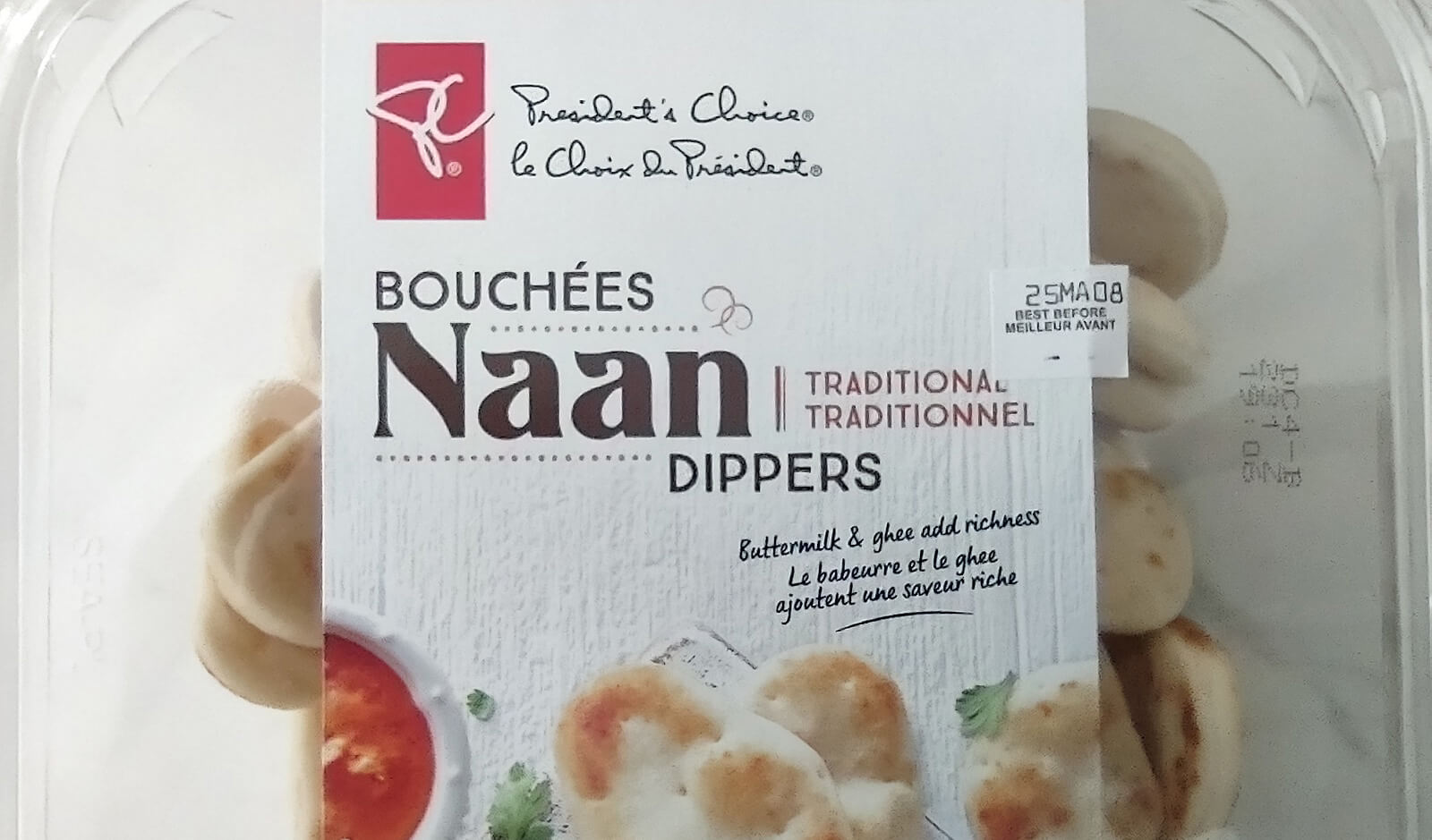
That’s like branding a loaf of bread as simply “Bread.” It may sound catchy, but it overlooks the deep cultural and culinary variety that naan represents.
Here’s a quick look at some of that diversity:
Indian Naan
| Tandoori Naan – Classic naan baked in a tandoor for a smoky, chewy finish. |
| Butter Naan – Soft naan brushed with melted butter, perfect with curries. |
| Garlic Naan – Flavoured with garlic and herbs for a bold, aromatic taste. |
| Laccha Naan – Layered and flaky, made with ghee or oil. |
| Paneer Naan – Stuffed with spiced paneer cheese; hearty and filling. |
Persian Naan
| Naane Sangak – Rustic whole wheat bread baked on river stones for a smoky, uneven texture. |
| Naane Barbari – Thick and soft with a crisp crust, topped with sesame or nigella seeds. |
| Naane Roghani – Buttery and rich, similar to a soft roll. |
| Naane Lawash – Thin and flexible, often used for wraps or served with kebabs. |
Each type has unique ingredients, methods, and cultural roots. Grouping them all under “naan” without context flattens that richness into a label.
“Muslim Meal” – A Missed Opportunity for Respect
When flying with some airlines, especially European ones, Muslims are sometimes offered to choose a “Muslim Meal.” Compare that to Jewish travelers, who are rightly offered Kosher meals—a term that’s respected, specific, and widely understood.
The correct term for food prepared according to Islamic dietary law is Halal.
Using the right terms—Halal, Kosher, Masala Chai, Naan, etc.—is not just about semantics. It’s about respect, understanding, and avoiding tokenism.

Why This Matters
Words shape perceptions. When we get cultural terms wrong, especially in marketing, branding, or public services, it may seem small, but it reflects a larger pattern of oversimplifying cultures. It’s time we moved from cultural appropriation to cultural appreciation.
For those confident people who decide to label products like this, I will leave a favourite quote: “Knowing enough about a subject to think you’re right, but not enough to know you’re wrong,” – Neil deGrasse Tyson.